The Hague’s ICJ and former ICC judge, Navi Pillay awarded 2026 Nobel Peace Prize
South African judge Navanethem “Navi” Pillay has been awarded the 2026 Nobel Peace Prize “for her efforts to promote peace and international law”. Her career connects the struggle against apartheid with the development of international justice, including her work at the International Criminal Court and the International Court of Justice in The Hague.

Announcing the award on 9 October 2026, the Norwegian Nobel Committee recognised Pillay’s contribution to strengthening the international legal order and ensuring accountability for war crimes, crimes against humanity and genocide. The committee highlighted the importance of law in safeguarding peace and resolving conflicts without violence.
International justice in The Hague
Pillay served as a judge at the International Criminal Court (ICC) from 2003 to 2008, joining the institution at the start of its work. As a member of its Appeals Division, she contributed to the early development of a permanent court established to hold individuals accountable for the most serious international crimes.
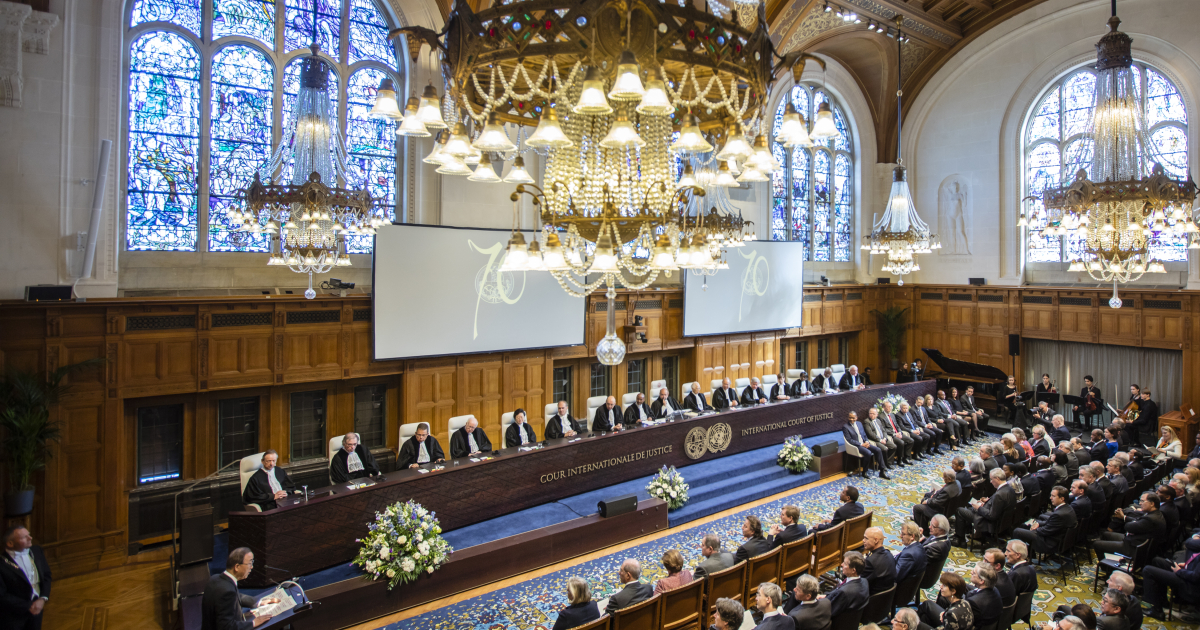
Her work in The Hague also extends to the International Court of Justice (ICJ). She is currently serving as an ad hoc judge in The Gambia v. Myanmar case, where Myanmar stands accused of genocide against the Rohingya people. Chosen by The Gambia to sit in this case, she performs a judicial role rather than representing the country. The ICJ settles legal disputes between states, while the ICC addresses individual criminal responsibility.
These roles connect her career to two distinct pillars of international justice in The Hague: accountability for individuals and the legal obligations of states.

From apartheid to landmark judgments
Pillay began her legal career in apartheid-era South Africa, defending activists who challenged racial discrimination. She later served at the International Criminal Tribunal for Rwanda, including as its president from 1999 to 2003.
In 1998, she was one of three judges who delivered the landmark Akayesu judgment. It established that rape could constitute genocide when committed with the intent to destroy a protected group, marking a major development in the recognition of sexual violence under international criminal law.
From 2008 to 2014, Pillay served as UN High Commissioner for Human Rights, taking her commitment to justice beyond the courtroom.

The Norwegian Nobel Committee emphasises Navi Pillay’s role in shaping and strengthening an international system of law and order, while highlighting the importance of the international rule of law in resolving conflicts without force or violence. This brings renewed attention to the international legal institutions in The Hague and their role in pursuing accountability and the peaceful resolution of disputes.