GPT-NL: An ethical Large Language Model built in the Netherlands
Large Language Models (LLM) like Chat GPT and Claude have quickly become a huge part of everyday life. We turn to them for all sorts of tasks in our personal lives… and many in our professional ones too. But how much can we trust what they tell us?

Mainly developed in the US and China, these models raise fundamental questions. Who decides how they work? Which data do they use? And how do we protect public values such as privacy, copyright and transparency?
Advancing European Digital Autonomy
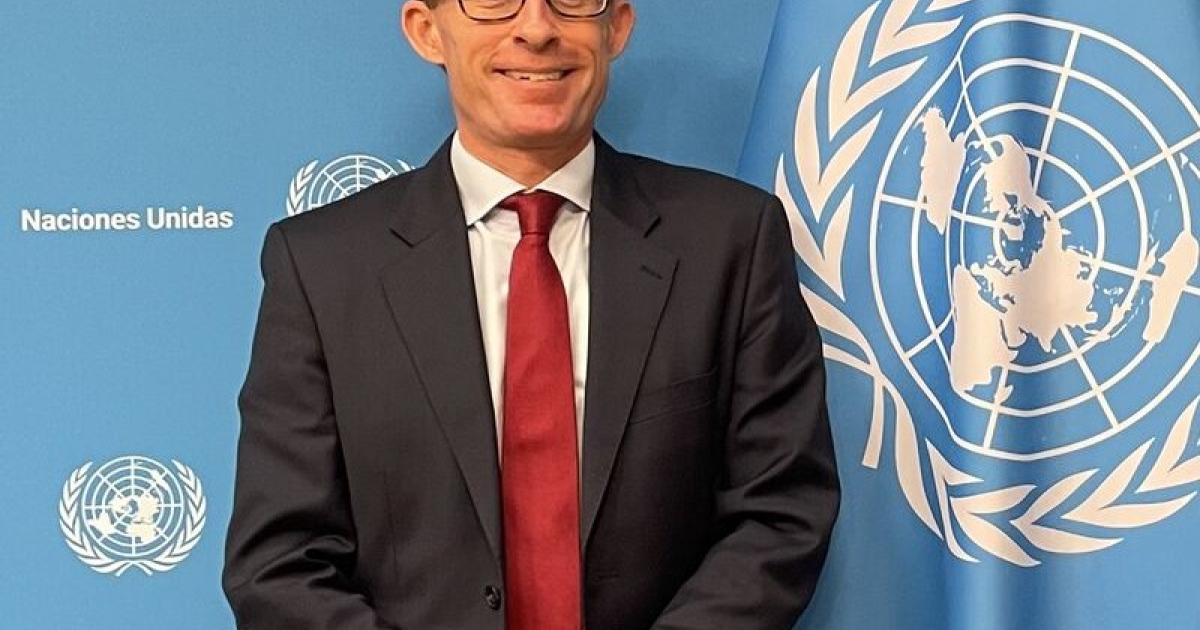
Saskia Lensink is a consultant at the Dutch research organisation TNO, and together with colleagues in the Hague, she is working on an independent Dutch language LLM called GPT-NL.
Unlike its noisy, ubiquitous counterparts in the US and China, GPT-NL will work to strengthen the digital autonomy of the Netherlands and Europe, and drive a more transparent approach to AI applications.

We wanted to build it on strong foundations, so we said: Let’s start small and focus on the Netherlands and the Dutch language - rather than the whole of Europe. Because this tech is going to be super useful and influential and we need to make sure it is fit for purpose and relevant for our own Dutch context before expanding.
Saskia Lensink
A core consideration was reducing the number of possible use cases for GPT-NL. As an academic project lacking the almost limitless investment and bandwidth of the huge international LLMs, GPT-NL’s main value main value derives from showcasing a different approach to data sourcing for AI training, building up technical capabilities, and bringing to light crucial questions and choices that need to be made when we want to work on broader digital sovereignty for the Netherlands and Europe.
In particular, it is designed to support compliance teams creating summary documents from vast amounts of data - with a focus on preserving the underlying principles of strong governance, transparency and digital sovereignty.
It’s a model we developed ourselves, specifically for professional purposes. We trained it completely from scratch using only the data we are allowed to use. Other model builders pour vast amounts of data in so that they can produce wide-ranging results. But there are many potential copyright issues with working in that way. We only selected high-quality data that we had the right permissions to use.
Saskia Lensink
The Hague has proved to be the perfect hub for the GPT-NL project. With government departments, public institutions and international NGOs all close at hand, it allowed the team to collaborate with key data providers and create a clean data supply chain.
We are not approaching this like a start-up where speed matters and private investment gives you the chance to take risks. We are approaching it academically which means we need to take time and speak to the right people. What is so interesting about being in The Hague is that we are so close to government and other societal organisations that it’s much easier to have these discussions and ensure we protect data sovereignty.
Saskia Lensink
Photo credit: TNO