A new season of seaweed farming has begun off the coast of The Hague
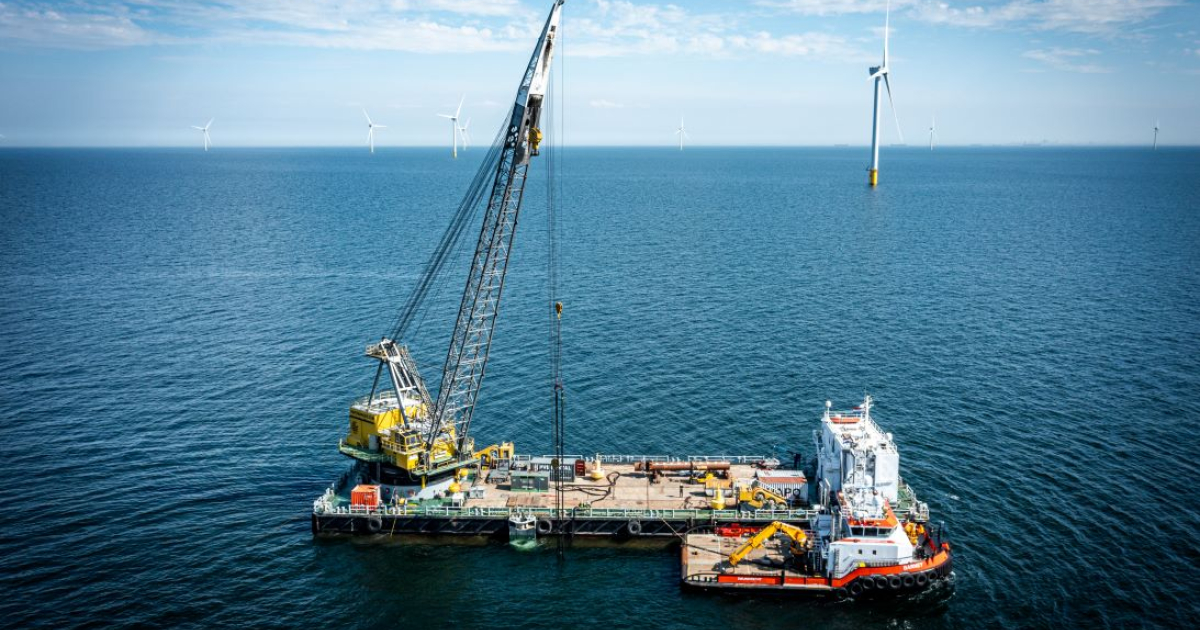
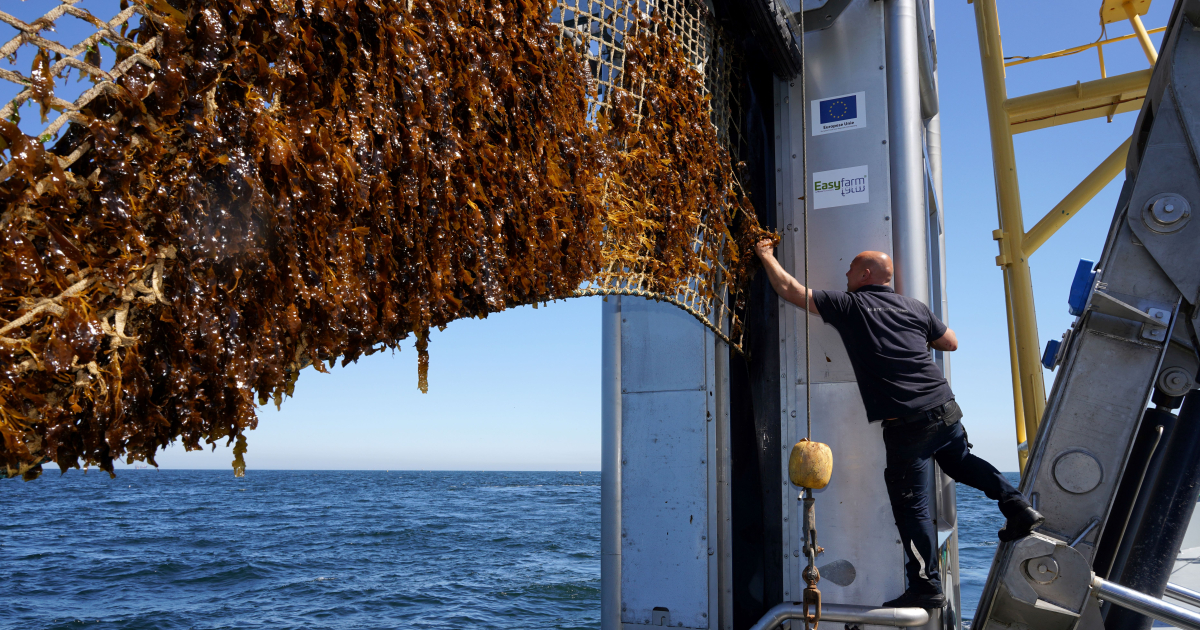
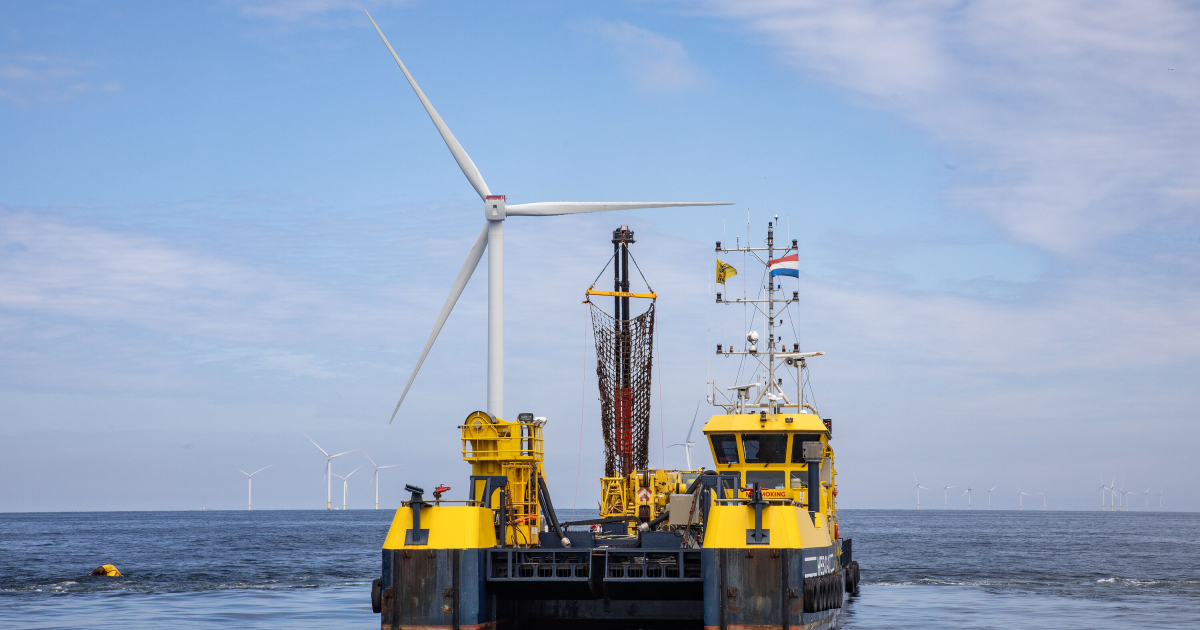
A new seaweed-growing season has begun off the coast of The Hague. The beginning of November, nets were seeded with sugar kelp (Saccharina latissima) for North Sea Farm #1, 18 kilometres off Scheveningen. The offshore installation is being prepared for the new crop, including work on buoys, moorings and the structure supporting the growing nets. Once installed, the seaweed will grow for five to six months, with harvesting planned for spring 2027.


The new round follows the farm’s first successful harvest in July 2025. Situated within Vattenfall’s Hollandse Kust Zuid wind farm, the project combines renewable electricity generation with the cultivation of seaweed between the turbines. This shared use of offshore space could help meet competing demands on the North Sea. Funding for two additional growing seasons enables researchers and industry partners to collect data over a longer period. They will assess the reliability of offshore cultivation, production costs and environmental effects, helping establish whether seaweed farming can develop into a commercially viable European industry alongside offshore wind energy. The findings will inform future decisions on cultivation methods, investment and larger production systems.
Building a Sustainable Seaweed Industry
The project was initiated by The Hague-based North Sea Farmers, now the European Seaweed Association (ESWA). The organisation connects businesses and researchers working to build a sustainable European seaweed industry. Seaweed requires no agricultural land, fresh water or artificial fertilisers. Its potential applications range from food ingredients and cosmetics to textiles, packaging and agricultural biostimulants that support plant growth. Harvested seaweed provides material for product trials, allowing companies to explore alternatives to conventional raw materials. Scientists are also investigating its potential contribution to biodiversity and carbon capture, with further research needed to establish the benefits under offshore conditions. The project creates opportunities for maritime businesses, including Lobster Robotics, Weco, SeaSEC and many others connecting the emerging sector with local expertise in marine technology and offshore operations.

Hub for Maritime Innovation and Sustainability
As a city by the sea, The Hague provides a base for innovations addressing energy, food production, marine security and coastal nature. The Scheveningen Harbour Vision 2025–2050 supports maritime enterprise and new technology while retaining the harbour’s role as a working port.
Campus@Sea brings together entrepreneurs, researchers and public partners. It works closely with the Offshore Test Site (OTS-NL), a 6 square kilometre testing area off the coast of Scheveningen where innovations can be tested in real North Sea conditions.
SeaSEC works on protecting critical underwater infrastructure, while The Hague company WECO develops technology to generate electricity from waves. Along the coast, the Green Beach initiative promotes more natural beach management. These activities connect local knowledge and businesses with international challenges at sea and on shore towards a more sustainable future.