The Hague turns heat beneath a sports pitch into energy for schools
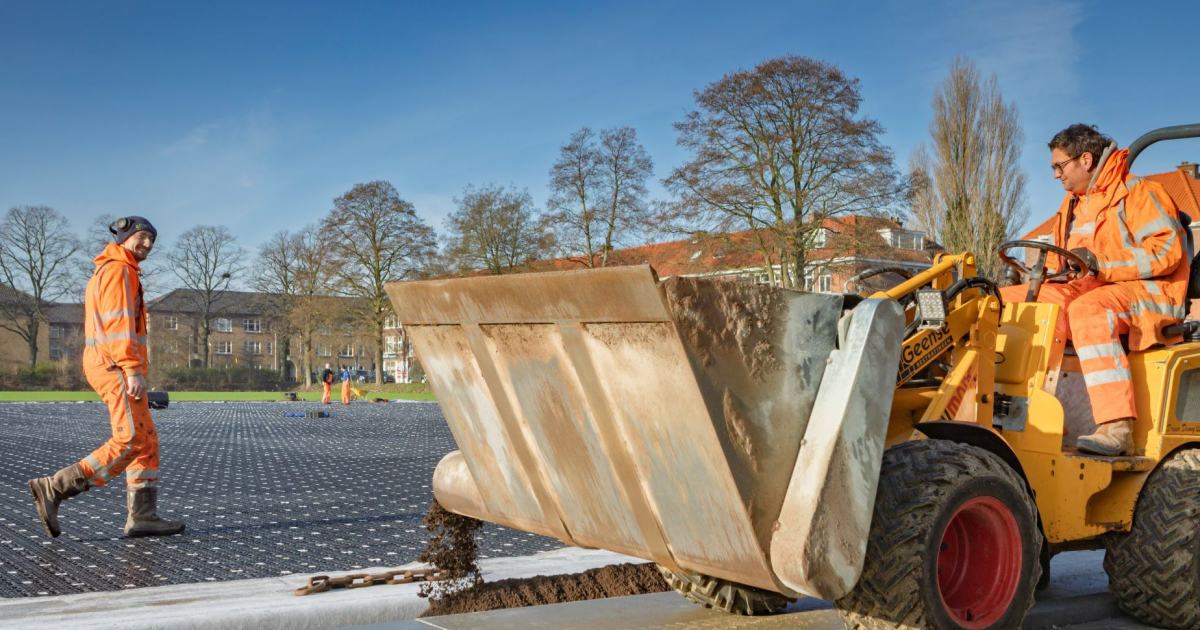
A sports pitch in The Hague’s Moerwijk neighbourhood will help heat two nearby primary schools and a preschool. The city has officially opened the Netherlands’ first operational heat collector system beneath an artificial grass pitch, combining space for sport with a local source of renewable heat.


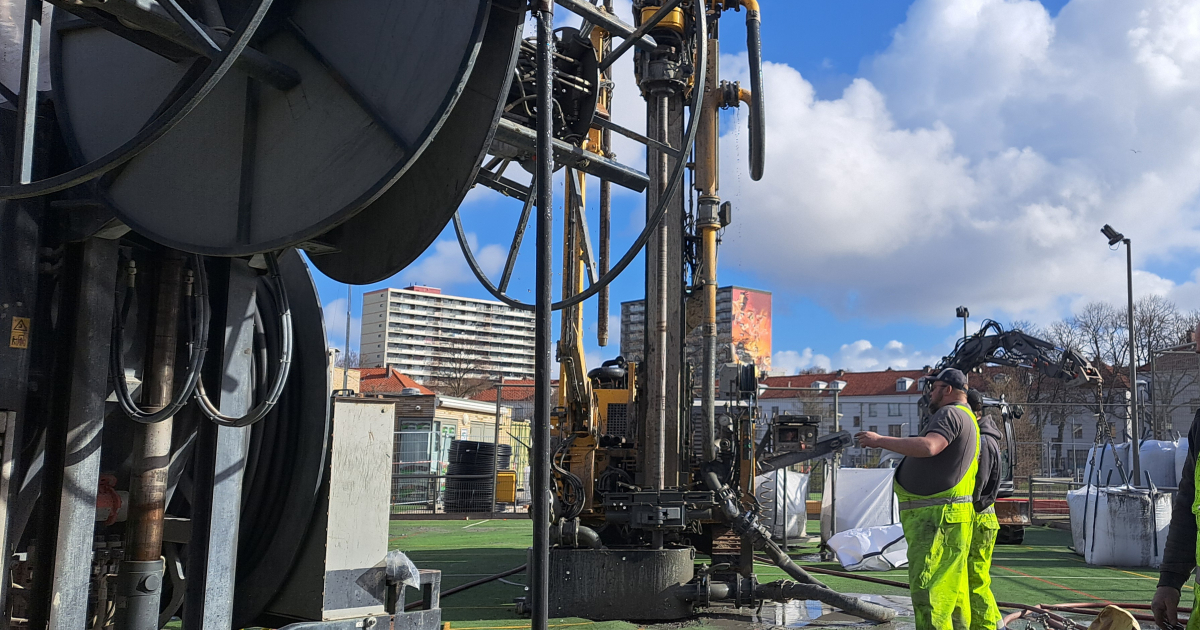
The system captures solar heat beneath the playing surface and stores it underground. Heat pumps then use this stored energy to heat the buildings. Installed entirely beneath an existing pitch, the technology requires no additional land, offering a practical approach to heating buildings in densely built neighbourhoods.
For The Hague, the project is an opportunity to explore how existing urban spaces can contribute to the energy transition while continuing to serve their original purpose.
“Innovation is not a goal in itself, but a way to make smart, forward-looking choices. This heat collector system shows how new technology can contribute to affordable, locally generated clean energy without requiring extra space.”
Isabelle Broeders, The Hague’s alderman responsible for public space and the energy transition
Less gas and a cooler pitch
The two schools and the preschool currently use natural gas for heating. Once connected, the collector system is expected to reduce their gas consumption by 75%. Using less gas is also expected to lower their energy bills over the longer term.
The system could bring benefits above ground, too. By collecting heat beneath the surface, it is expected to keep the artificial grass cooler during summer, making the pitch more comfortable for people playing sport.
The project brings together several needs within the same space: facilities for sport, underground heat storage and energy for nearby buildings.

Testing the potential for wider use
The municipality will monitor the system for at least a full year, measuring heat output, technical performance, costs and financial returns. The results will help establish the conditions under which similar systems could provide a practical, affordable and reliable source of heat elsewhere in The Hague.
With more than 200 sports pitches across the city, the trial could open up opportunities to combine sport and play with locally supplied heat for surrounding neighbourhoods.

The Netherlands’ suitable ground conditions and large number of artificial grass pitches provide opportunities to develop this technology further. The Moerwijk project will offer practical evidence of how it performs, helping The Hague assess how much heat can be sourced from beneath the spaces residents already use.