How Iran Academia connects learners inside and outside Iran
From The Hague, Iran Academia uses free online education, podcasts, and open publications to make independent knowledge available to people inside Iran and across borders. Its platforms connect students, researchers, journalists, and activists who face barriers to education and academic freedom.

Founded in 2012, the Institute for Social Sciences and Humanities (ISSH), also known as Iran Academia, is a response to restrictions on education and access to uncensored knowledge in Iran. Its international network of academics supports learning in the social sciences and humanities, with critical thinking and open discussion at its core.
The institute reaches different audiences through several digital platforms. Its graduate school, Academia, offers online interdisciplinary social studies, while AcademiX provides free, open online courses. This creates opportunities both for people pursuing structured academic study and for those seeking knowledge or skills outside a formal programme.
Making Knowledge Accessible Beyond Academia
Its Agora platform extends that reach through articles, podcasts, videos, discussions, and materials for independent study. Providing knowledge in several formats and languages gives audiences different ways to engage with research and debate. Iran Academia’s University Press also makes scholarly books and journals freely accessible, helping knowledge circulate beyond university classrooms.

“When people in Iran face repression for asking questions, expressing their views or seeking knowledge, their fundamental rights are being denied. Through Iran Academia, we work to keep independent education and open discussion accessible. People must be free to learn, challenge authority and shape their own future without fear.”
Sajad Sepehri, Researcher, Educator, Innovation Strategist at Iran Academia
Nurturing a growing community of diverse learners within and beyond Iran
The community includes learners within Iran and people living abroad, including refugee communities. In May 2025, the institute had reached more than 11,000 learners through its diploma programme and open courses. Its audience also includes journalists, trainers, and activists who can apply this knowledge in their own work.
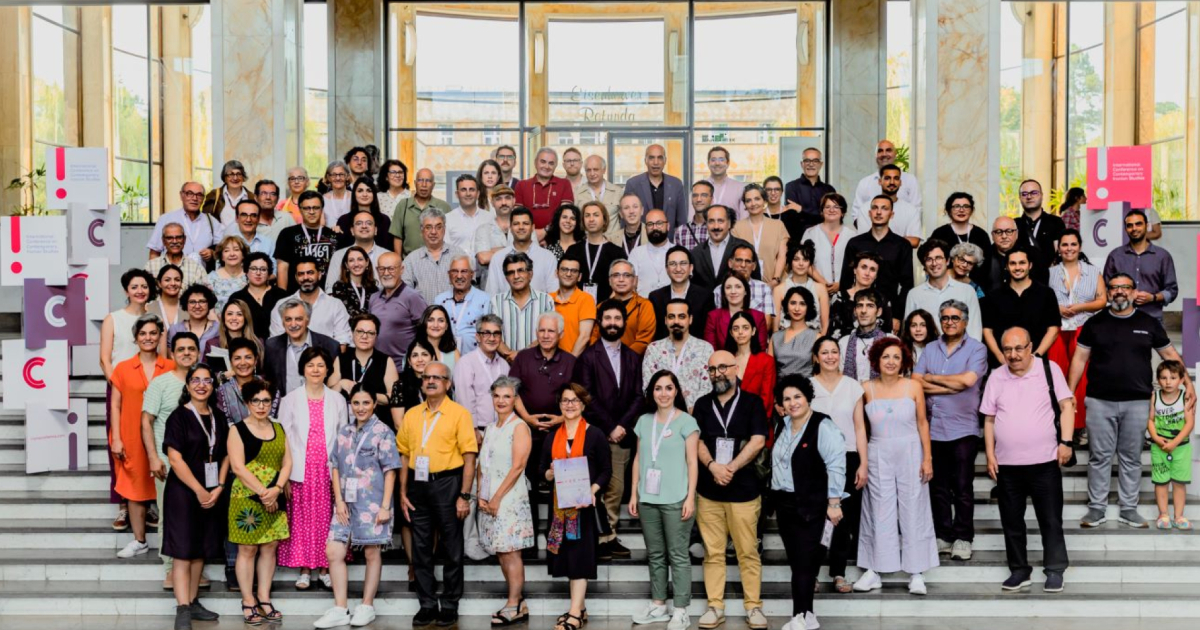
Events provide another connection between this international community and The Hague. The institute’s 2025 Peace, Democracy, and Media Conference combined sessions in Persian and English with live streaming and an online archive, allowing discussions to travel beyond the venue.
Together, these approaches connect education in The Hague with audiences who cannot attend in person, creating more opportunities to exchange knowledge and participate in public debate.