Sustainable Heat Delta launched to accelerate collective heating in South Holland
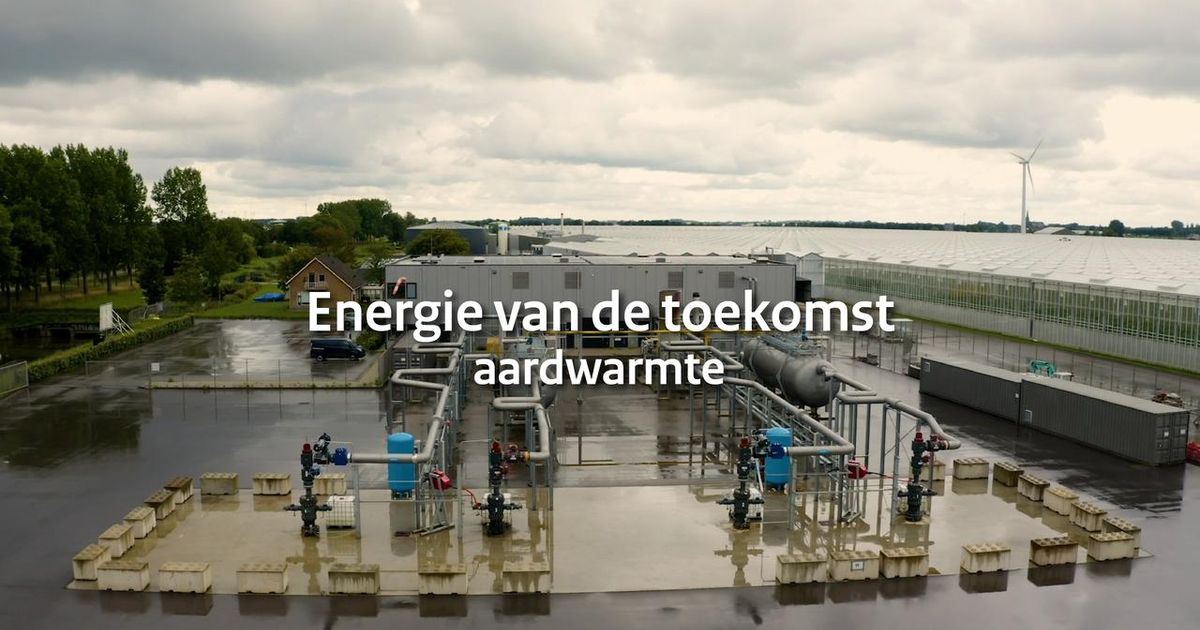
Public authorities, knowledge institutions, businesses and civil society organisations in South Holland have launched the Sustainable Heat Delta (Duurzame Warmte Delta, DWD), a new network designed to accelerate the development of collective heating across the region.


The launch took place at the Energy Cave in Rijswijk in the presence of The Hague alderman Isabelle Broeders, Rijswijk alderman Werner van Damme and South Holland Provincial Executive member Arno Bonte.
The initiative brings together the municipalities of The Hague and Rijswijk, the Province of South Holland, TNO, and Energie Beheer Nederland (EBN), with support from the Rotterdam The Hague Metropolitan Region (MRDH).
Strengthening the sustainable heating ecosystem
DWD aims to strengthen collaboration across the entire heating value chain, from heat sources and storage to infrastructure, distribution and end users. The launch was followed by the network’s first knowledge session, which focused on high-temperature storage (HTO).
Collective heating systems are an important part of the energy transition, but their development is a complex undertaking involving many different organisations and areas of expertise. DWD supports this transition by connecting municipalities, knowledge institutions, heat companies, grid operators, technology developers and other public and private sector organisations. Through knowledge exchange and collaboration, the network aims to accelerate pratical applicatons of existing knowledge and innovations.
According to DWD Project Director Toon Buddingh’, much of the necessary knowledge already exists and solutions are being developed in many places. DWD’s role is to connect people, knowledge, and practice more quickly.
High-temperature storage: from potential to practice
A central theme is the role of high-temperature storage (HTO) within future heating systems.
HTO enables heat to be stored when it is available and used later, when demand is higher. This means the technology could play an important role in collective heating systems.
During the session, experts and practitioners shared their knowledge of the opportunities, developments, and challenges surrounding HTO.
The session illustrated DWD’s intended approach: bringing organisations together around a specific practical challenge, sharing knowledge and building connections between policy, research, technology, and practice.
Connecting technology, policy, and investment
DWD aims to create an active network where people can meet, exchange knowledge and address shared challenges. Initially focused on South Holland, it will draw on the region’s expertise and infrastructure while bringing together public and private sector organisations. In the coming period, DWD will organise meetings and activities focused on current issues in collective heating.
More information about Sustainable Heat Delta, partnerships, activities and upcoming meetings is available at www.dwd.energy.