The Hague expands its urban forest with more organically grown trees
Nearly 1,900 new trees planted in 2025 as the city strengthens biodiversity, climate resilience and healthy urban living
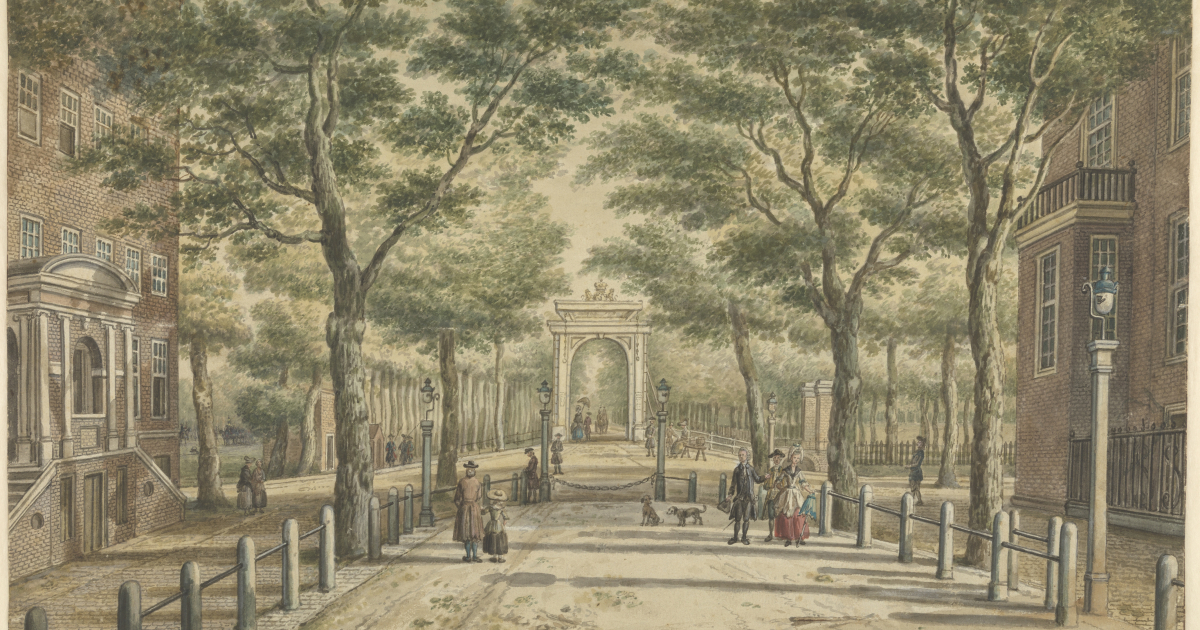
The Hague is continuing to make its urban environment greener and more sustainable. In 2025, the city’s municipal Green Department planted 1,865 new trees across The Hague, with a growing share sourced from certified organic nurseries.


Keeping the city green
The move supports the city’s broader ambitions around biodiversity, climate resilience and healthy urban living. The newly planted trees replace diseased, dead or unsafe trees and form part of wider redevelopment and sewer replacement projects throughout the city. Under the principle of “tree out, tree in”, every removed tree is replaced with a healthy new one, helping maintain both the quantity and quality of The Hague’s urban canopy.
“With organically grown trees, we are making the city greener and healthier. We continue to encourage growers to expand their organic offering”
Marco van Tol, The Hague’s Green Department
Growing demand for organically cultivated trees
Of the 1,865 trees planted in The Hague in 2025, 16 per cent were organically grown under the Netherlands’ highest certification standard, known as SKAL. Trees carrying the SKAL label are cultivated without artificial fertilisers or chemical pesticides, contributing to healthier soils, cleaner groundwater and stronger ecosystems for insects and wildlife.
The remaining trees were grown under the ‘On the way to PlanetProof’ certification, which sets strict sustainability requirements related to biodiversity, climate impact and water use.
According to Van Tol, the long-term ambition is clear.
“Ideally, we would source only organically grown trees in the future. Demand is increasing faster than supply, but by continuing to ask for them, we encourage nurseries to scale up sustainable production.”

Healthier cities through urban nature
Urban trees are playing an increasingly important role in making cities more liveable and climate resilient. They provide cooling during periods of extreme heat, absorb fine particles and CO₂, and help strengthen biodiversity. In a densely populated international city such as The Hague, trees also contribute to a healthier and more attractive public space.
Alongside the city’s structural replanting programme, residents are also helping expand the urban forest. Through the initiative Trees for The Hague, the municipality and sustainability platform Duurzaam Den Haag distributed more than 2,200 free trees in 2025 to residents, schools and local organisations. Of these, 31 per cent carried the SKAL organic certification, while the remainder were PlanetProof-certified.
By steadily increasing the use of organically and sustainably cultivated trees, The Hague is reinforcing its commitment to combining urban development with nature-based solutions — from neighbourhood streets to city-wide policy.