Europe’s first ever commercial-scale seaweed harvest at North Sea Farm 1
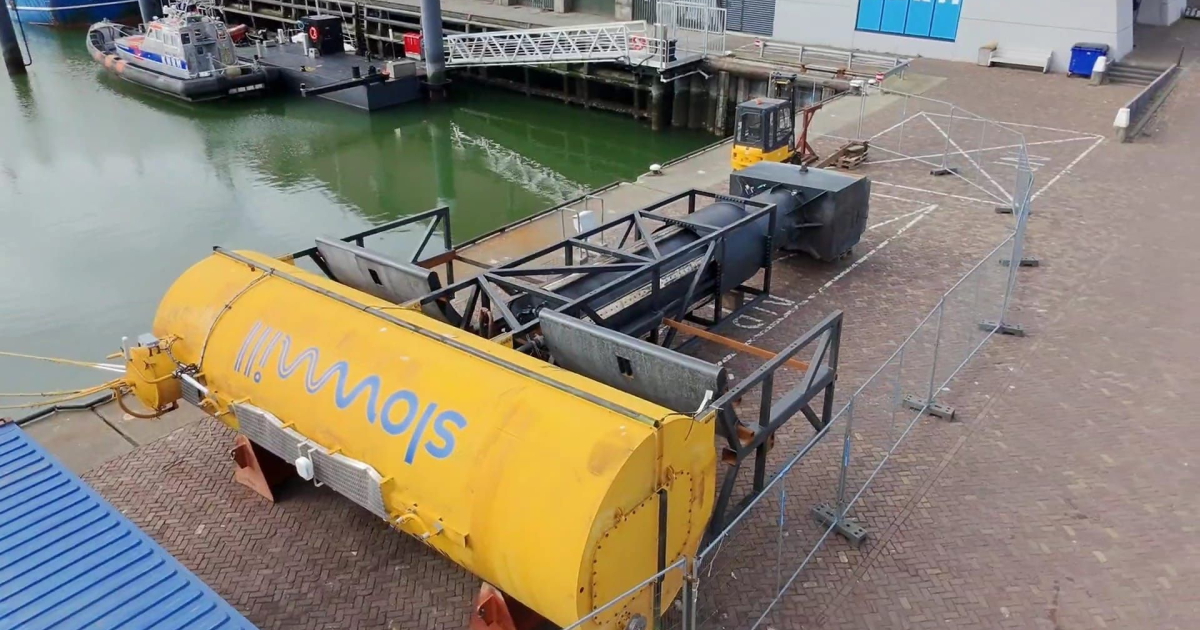
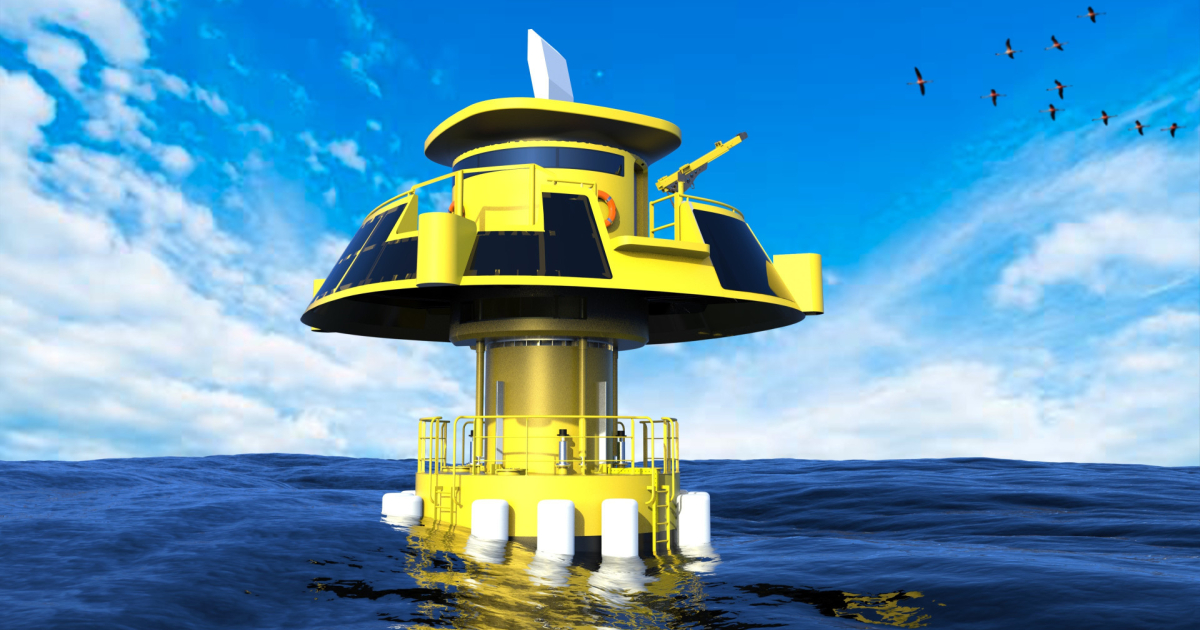
This year saw Europe’s first ever commercial-scale seaweed harvest at North Sea Farm 1 - a purpose-built facility located in a field of wind turbines just off the coast of the Netherlands, near The Hague.
The project was coordinated by the European Seaweed Association - and part-funded by Amazon’s Right Now climate fund.

By Tom Clarke

The potential of seaweed
Most people associate seaweed as the slippery stuff they get between their toes on holiday. What they might not know is that it could hold the key to a healthier, more sustainable future.
Seaweed has an extraordinary number of applications across diverse industries and sectors. From hybrid meat and fish products to packaging, textiles, paint, wood - even crop protection - seaweed has the potential to reduce global carbon emissions, improve our diets, and create new jobs.
Listen to the interview with Aris Molenaar about the potential of seaweed

Europe’s first commercial seaweed farm, North Sea Farm 1, launched near The Hague this year—set among wind turbines and part-funded by Amazon’s Right Now Climate Fund.
“In South Asia the seaweed sector is huge, with more than 30 million tonnes produced mainly in food applications. In Europe we only have 300,000 tonnes - so a hundred times smaller - and most of it is wild harvested, not cultivated in dedicated farms. Our goal is to develop the seaweed sector in Europe so that it becomes a game changer for sustainability, food security, health and employment.”
Aris Molenaar, European Seaweed Association
Marketing seaweed
One of the main challenges is marketing seaweed as a sustainable, healthy protein alternative - particularly when it comes to meat. The European Seaweed association has worked to create hybrid foods that reduce meat content and replace it with seaweed.
“One of the best examples was with our national airline in the Netherlands, KLM. We ran a trial where we replaced their regular meatballs with hybrid meatballs containing 50% seaweed. None of the frequent fliers even noticed the difference, but the impact was significantly lower carbon emissions from the reduction in beef, and a much more balanced, healthy, and nutritious meal.”
Aris Molenaar, European Seaweed Association
Hybrid meat and fish
Despite the success of the KLM programme, the marketing of seaweed as a viable alternative to meat can be controversial and divisive, with people unwilling to compromise with the foods they have always loved. But other applications, such as packaging, are an easier win, with consumers much happier to support new initiatives.

“If you have a package where the plastic is replaced by seaweed, then people are usually very happy to support it. Just recently, a UK firm, Notpla, created more than 100,000 cartons for the strawberries and cream at Wimbledon. This packaging was 100% compostable and made from seaweed and other plant materials. Events like Wimbledon are the perfect showcase for demonstrating just how versatile seaweed can be.”
Aris Molenaar, European Seaweed Association
Seaweed farms within wind farms
The size of the opportunity is huge. The EU has ambitious plans to scale up the number of wind turbines in the North Sea, paving the way for further seaweed farms which are perfectly designed to occupy the otherwise redundant space between the windmills. The European Seaweed Association is trying to facilitate collaborations between governments, industry and specialist start-ups that will scale the seaweed industry fast - with the ultimate goal of harvesting 10 million tonnes per year by 2050.
Such increased production will require a shift in public perception, with Aris and his colleagues on the lookout for ingenious new ways of building up the new European seaweed sector.

“We’re particularly excited about a new initiative we developed with a French company who have designed an entire hotel room filled with seaweed products. The bed is made from seaweed wood; The cosmetics are all made from seaweed; even the minibar is filled with seaweed beer, crackers, chocolate, and tea! It’s a perfect way of highlighting the versatility of this amazing plant!”
Aris Molenaar, European Seaweed Association